
House & Land
Financing a land purchase together with the construction of a new home under a building contract.
CONSTRUCTION FINANCE
Construction loans work differently from standard home loans. Instead of receiving all the funds upfront, the lender generally releases money progressively as your build reaches agreed stages. We help you understand the structure, lender requirements and progress-payment process before construction begins.
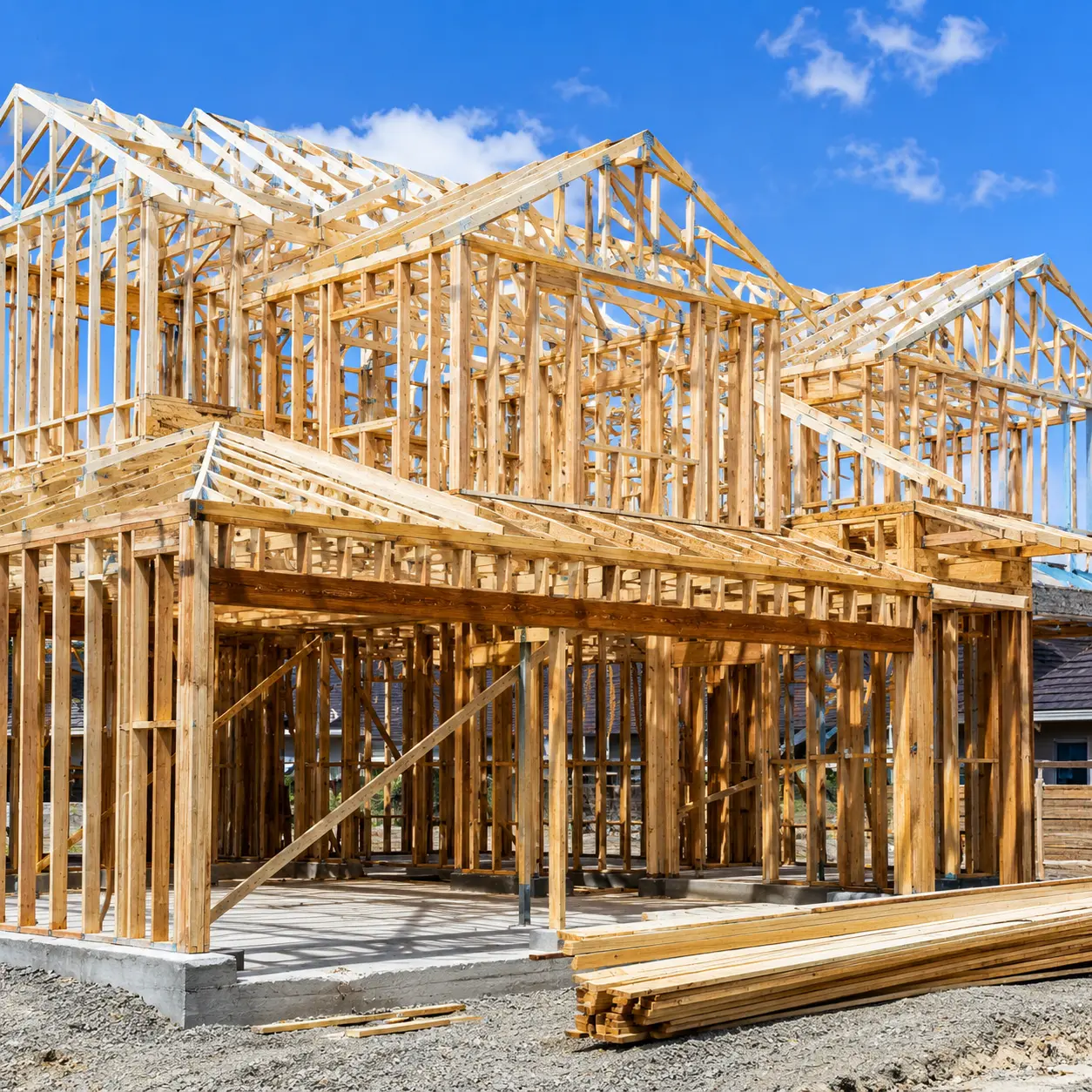
WHEN MIGHT YOU NEED A CONSTRUCTION LOAN?
Construction lending can apply to more than just a new home on vacant land. The structure depends on the project and lender.
Financing a land purchase together with the construction of a new home under a building contract.
If you already own the land, its value and any existing debt may form part of the overall finance assessment.
Significant structural renovations or extensions may sometimes require a construction-style lending facility rather than a simple cash-out loan.
Replacing an existing dwelling with a new build can involve additional valuation, security and lender requirements.
HOW CONSTRUCTION FINANCE WORKS
Rather than advancing the full construction amount on day one, lenders generally release funds in stages as work is completed.
The lender typically needs details of the proposed build, including plans, specifications, contract price and builder information.
A lender may arrange an "as if complete" valuation based on the land, plans, specifications and completed property.
The lender assesses your financial position, project costs, contribution and proposed completed value.
Once the required documents and conditions are met, the lender can begin funding eligible construction invoices.
Funds are generally released to the builder at agreed stages after the relevant requirements have been met.
After the final stage, inspections and lender requirements are completed, the construction facility generally transitions into the ongoing home loan.
PROGRESS PAYMENTS
During construction, lenders generally calculate interest on the amount that has actually been drawn rather than the full approved construction facility.
As each construction stage is completed and additional funds are released, the outstanding loan balance increases.
The timing, progress-payment stages and interest arrangements vary between lenders, so understanding how the facility works before construction starts is important.
Estimate your completed loan repayments →COMMON BUILDING STAGES
WHAT CAN AFFECT YOUR CONSTRUCTION LOAN?
Construction lenders assess both you and the project. Changes during the build can also affect the finance.
Lenders may have requirements regarding the builder, building contract, licensing and project documentation.
Changes to the contract price or specifications after approval may need to be assessed and could increase the amount you need to contribute.
Unexpected costs can arise during construction, so it is important to understand what is included in the contract and what may need to be funded separately.
Building contracts, lender requirements and progress-payment structures vary. Independent legal advice should be considered before entering into a building contract.
PLAN THE NUMBERS
These calculators can help you get an initial indication of borrowing capacity, purchase costs and ongoing repayments.
WHY TULIP FINANCE
A construction application can involve the land, builder, contract, valuations, progress payments and lender requirements in addition to your own financial position.
We help you understand the lending structure, compare suitable options and work through the finance process as the project progresses.
Learn more about Tulip Finance →CONSTRUCTION LOAN FAQs
Construction finance works differently from a normal property purchase, so planning early can help avoid surprises.
A construction loan is generally structured so approved funds are progressively released as construction reaches agreed stages rather than being advanced in full upfront.
Generally, interest is charged on the amount that has actually been drawn. As progress payments are made, the balance on which interest is calculated increases.
Requirements vary, but lenders commonly request the building contract, plans, specifications, builder details, council or building approvals where applicable, and evidence relating to project costs.
If project costs increase after approval, the additional amount may need to be funded by you unless the lender agrees to further lending following reassessment.
Potentially. Major structural renovations or extensions can sometimes be funded using a construction-style loan, depending on the project and lender requirements.
Once construction is complete and the lender's final requirements have been met, the fully drawn balance generally continues as the ongoing home loan under the agreed repayment structure.
PLANNING TO BUILD?
We can help you review the project, contribution, borrowing capacity and lender options before construction begins.