
Construction Machinery
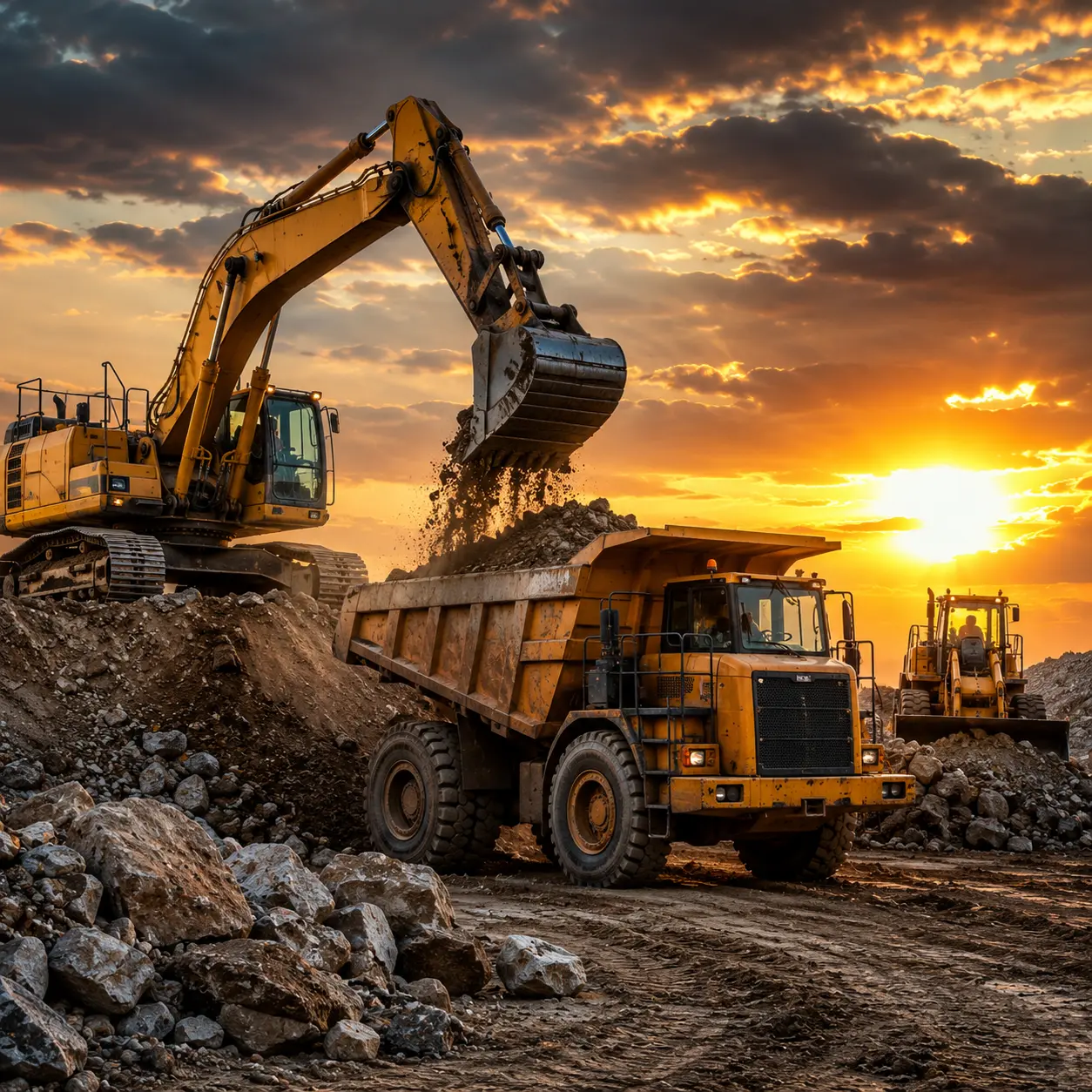
Excavators, loaders, skid steers, cranes, earthmoving equipment and other machinery used in construction and civil works.
BUSINESS EQUIPMENT FINANCE
From excavators and forklifts to manufacturing machinery, medical equipment and specialised business assets, the right equipment can help your business grow. We help you compare equipment finance options and structure the term, contribution and balloon around the asset and your business cash flow.
WHAT CAN YOU FINANCE?
The asset, business use, age, purchase price and expected working life can influence which lenders and finance structures are available.
Excavators, loaders, skid steers, cranes, earthmoving equipment and other machinery used in construction and civil works.
Manufacturing machinery, forklifts, production equipment, generators, compressors and other commercial assets.
Finance may be available for medical, dental, diagnostic, office and other specialised professional equipment.
Commercial kitchen equipment, refrigeration, coffee machines, fit-out assets and other income-producing business equipment may also be considered.
HOW EQUIPMENT FINANCE WORKS
Equipment lending is generally assessed around the asset, borrower, business use and proposed finance structure.
We start with the asset type, purchase price, supplier, age and how the equipment will be used within the business.
The lender may consider business trading history, financial position, industry and ability to meet the proposed repayments.
Depending on the asset and lender, you may contribute cash upfront or seek to finance a larger portion of the purchase price.
The term and residual amount can be structured around cash flow, expected asset life and the proposed repayment strategy.
Different asset-finance lenders have different appetites for industries, asset types, business history and equipment age.
Once approved and documentation requirements are satisfied, payment can generally be arranged with the equipment supplier or vendor.
PRESERVE BUSINESS CASH FLOW
Buying equipment outright can avoid finance costs, but it can also remove a significant amount of working capital from the business.
Financing the asset can allow the business to spread the cost over time while retaining cash for wages, stock, suppliers, marketing and other operating requirements.
The right decision depends on the cost of finance, business cash flow, available reserves and how important the equipment is to generating revenue.
Estimate equipment repayments →THINK BEYOND THE PURCHASE PRICE
NEW OR USED EQUIPMENT
Lenders can have different rules around the type, age and expected useful life of equipment.
New assets may provide access to a broader range of lenders because their value, useful life and supplier documentation are generally easier to establish.
Used machinery may still be financeable, but asset age, condition, purchase source and expected age at the end of the loan can affect lender appetite.
Highly specialised equipment can have a smaller resale market, which may influence acceptable loan terms, deposits or balloon amounts.
BALLOON / RESIDUAL
STRUCTURING THE REPAYMENTS
A balloon or residual leaves part of the equipment loan outstanding at the end of the finance term.
This can reduce regular repayments, which may assist business cash flow, but it generally means more interest is paid and a larger amount remains owing at the end.
The balloon should therefore make sense relative to the expected value and useful life of the equipment.
Compare equipment balloon options →RUN THE NUMBERS
Estimate repayments and see how the deposit, term and balloon can affect the loan.
Estimate regular repayments based on the equipment price, contribution, rate and term.
Open calculator →See how changing the residual amount can affect repayments and the final balance.
Open calculator →Consider the loan repayment alongside your working capital and other business commitments.
Look at the full pictureWHY TULIP FINANCE
Asset-finance lenders can have very different appetites for industries, equipment types, business history and transaction sizes.
We help compare suitable finance options and structure the contribution, term and balloon around both the equipment and the cash-flow needs of the business.
Learn more about Tulip Finance →EQUIPMENT FINANCE FAQs
Equipment lending can vary by industry, asset type and business profile.
Potentially. The amount available depends on the asset, lender, business profile and transaction. Some lenders may require a contribution for certain equipment or borrower scenarios.
Yes, subject to lender policy. The age, condition, asset type, purchase source and expected useful life can affect which options are available.
A balloon is an agreed amount remaining at the end of the finance term. It can reduce regular repayments but leaves a larger amount to be paid or refinanced later.
Potentially, although lender options and documentation requirements may be different for newer businesses. The asset, borrower experience, contribution and overall financial position may become particularly important.
Some lenders may allow private-sale equipment finance, although additional verification, valuation or settlement requirements can apply.
Tax treatment depends on the finance structure, ownership, use of the equipment and your individual circumstances. You should obtain advice from your accountant or tax adviser.
READY TO INVEST IN NEW EQUIPMENT?
Tell us what you're purchasing, the price, whether it's new or used and how the asset will be used, and we can help you understand suitable finance options.